How Slip and Fall Cases Work in California
Slip and fall claims fall under premises liability law. Property owners must take reasonable care to maintain safe conditions for visitors. When they fail to repair hazards or provide adequate warning, they may be held responsible for resulting injuries.
To succeed in a claim, you must show:
- A dangerous condition existed,
- The owner knew or should have known about it,
- The owner failed to correct or warn about it, and
- The condition caused your injury.
Unlike car accident cases, these claims often involve disputes about notice. Owners frequently argue they did not know the hazard existed. Proving constructive knowledge becomes central to the case.
What Are Common Causes of Slip and Fall Accidents in Merced?
Falls can happen in grocery stores, parking lots, apartment complexes, restaurants, and office buildings. Common hazards include:
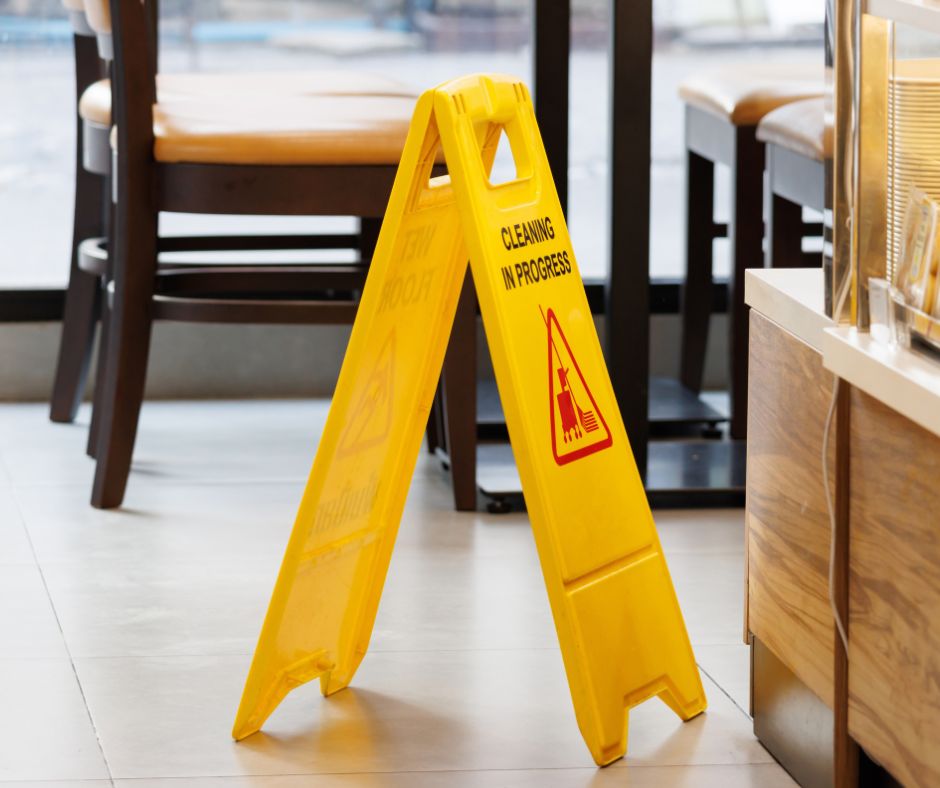
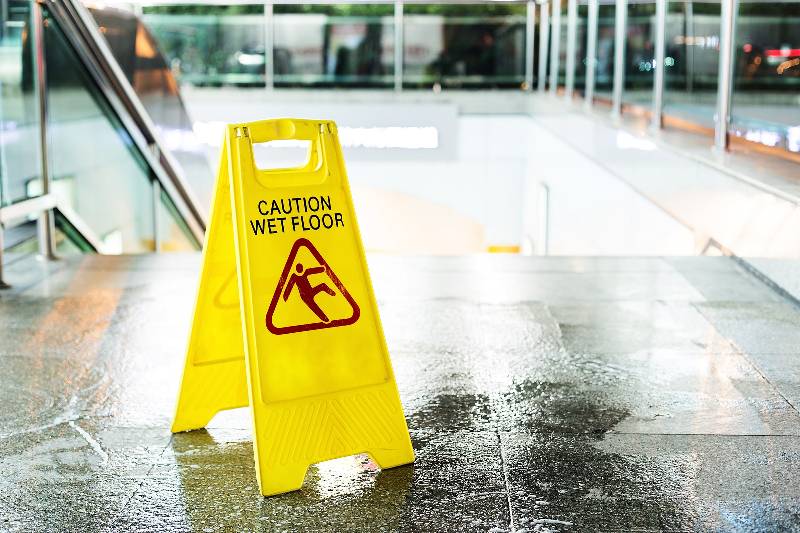
- Wet floors without warning signs,
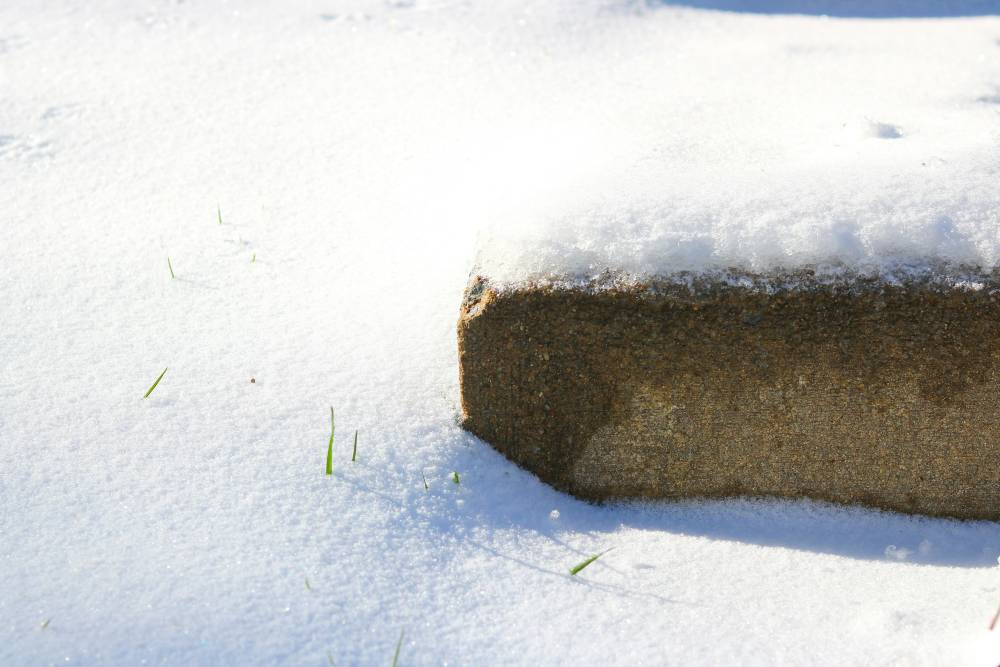
- Uneven sidewalks,
- Broken stair rails,
- Poor lighting,
- Loose floor mats,
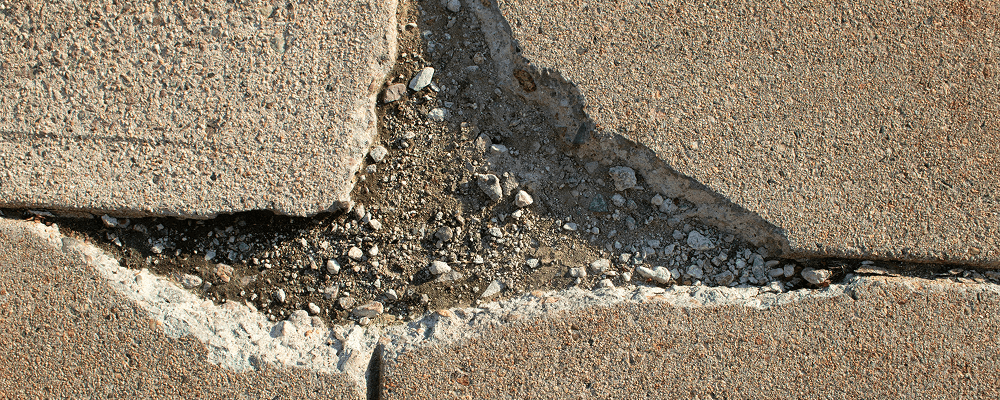
- Cracked pavement, and
- Spilled merchandise.
Each situation requires evaluating how long the condition existed and whether routine inspection would have revealed it.
What Are Some Injuries Frequently Associated with Fall Accidents?
Slip and fall injuries often affect older adults, but anyone can suffer serious harm from one.
Common injuries include:
- Hip fractures,
- Wrist and arm fractures,
- Concussions,
- Traumatic brain injuries,
- Spinal injuries,
- Herniated discs, and
- Shoulder injuries.
Recovery may require surgery, physical therapy, or extended rehabilitation. In some cases, falls result in permanent mobility limitations.
What to Do After a Slip and Fall in Merced
The actions you take after a fall can affect your ability to pursue compensation.
Seek medical attention promptly. Even if you believe your injuries are minor, symptoms involving the head, spine, or joints can worsen over time. Medical records create an objective timeline linking the injury to the incident.
Report the fall to the property owner or manager. Ask that an incident report be created and request a copy, if possible. Documentation helps establish that the hazard existed.
If you are physically able, photograph the scene. Capture the condition that caused the fall, surrounding lighting, warning signs (if any), and your footwear. Hazards are often cleaned or repaired quickly, which means photos at the scene can be strong evidence.
Avoid giving detailed recorded statements to insurance representatives before speaking with counsel. Early evaluation by a slip and fall injury lawyer in Merced can help prevent avoidable missteps.
How Property Owners Defend Slip and Fall Claims
Premises liability cases often turn on notice and foreseeability. Property owners frequently argue that they were unaware of the dangerous condition.
Common defenses include:
- The hazard appeared moments before the fall,
- The condition was open and obvious,
- The injured person was distracted, and
- The property was well-maintained.
These arguments focus on shifting responsibility away from the owner. Maintenance logs, surveillance footage, and employee statements often become critical in determining whether routine inspections were conducted.
In some cases, defense teams attempt to argue comparative fault. If they succeed in assigning partial blame, total compensation may be reduced.
An experienced Merced slip and fall attorney will examine inspection policies, cleaning schedules, and prior complaints to effectively challenge those defenses.
How Does Comparative Fault Work in Premises Liability Cases?
California follows a comparative negligence system. This means that even if you share some responsibility for the fall, you may still recover damages. For example, a property owner may argue that you failed to notice a hazard. If a jury determines you were partially at fault, your recovery would be reduced by that percentage.
These cases often hinge on context. Lighting conditions, warning signs, crowding, and floor texture all matter. Establishing how a reasonable person would have acted under the same circumstances is central to the analysis.
Because even small percentage shifts can significantly affect recovery, careful investigation remains important.

 209-569-5226











 CALL
CALL  EMAIL
EMAIL  Ask AI
  FAQ
FAQ