What Are Common Causes of a Car Accident?
Car accidents occur for many different reasons. Understanding the cause of a collision is often a key step in determining liability.
Below are several common causes of car accidents in Visalia and throughout California.
Distracted Driving
With distracted driving, drivers may look at their phones, adjust navigation systems, eat, or talk with passengers instead of paying attention to the road.
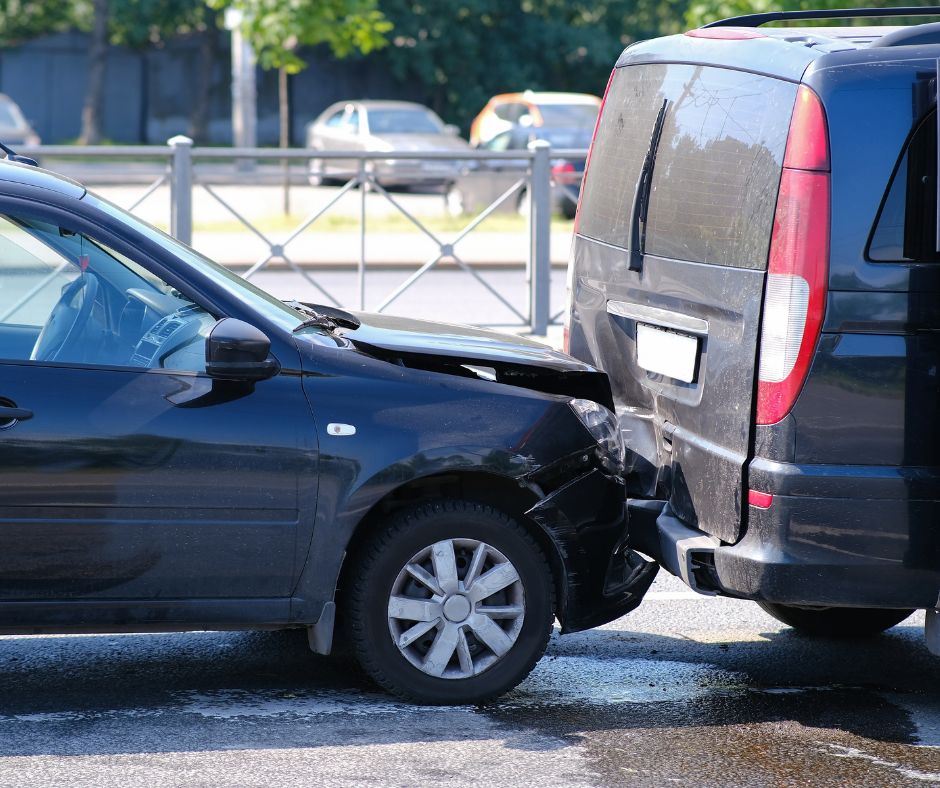
Even a brief moment of distraction can cause a driver to miss changing traffic conditions or fail to react in time to avoid a crash. These accidents often lead to rear-end collisions, sideswipes, or intersection crashes.
Speeding
Driving above the posted speed limit or too fast for traffic conditions significantly increases the risk of an accident. Higher speeds reduce the time drivers have to react, making collisions more severe if they occur.
Speeding accidents frequently result in serious injuries because the impact force is greater. Drivers who ignore speed limits may be held responsible if their actions caused the crash.
Driving Under the Influence
Alcohol and drug impairment can severely affect a driver’s ability to operate a vehicle safely. Impaired drivers may experience slower reaction times, poor judgment, and difficulty staying within their lane.
Drunk driving accidents often lead to catastrophic injuries or fatalities. These cases may involve both criminal proceedings and civil injury claims.
Reckless or Aggressive Driving
Aggressive driving behaviors, including tailgating, weaving between lanes, or ignoring traffic signals, can create dangerous conditions on the road. Drivers who act impatiently or aggressively may cause collisions when they fail to yield or misjudge distances between vehicles.
These accidents often happen suddenly and can involve multiple vehicles, especially on busy roads or highways.
Failure to Obey Traffic Laws
Traffic signals, stop signs, and right-of-way rules exist to keep drivers safe. When motorists ignore these rules, accidents are more likely to occur.
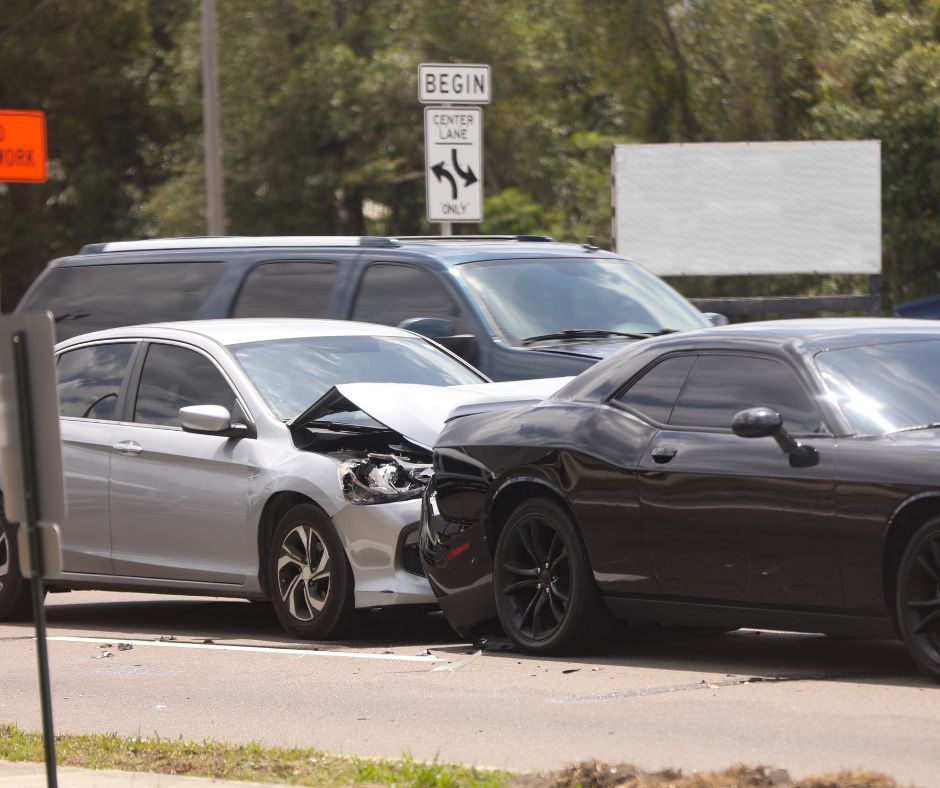
For example, running a red light or failing to yield at an intersection can result in severe side-impact collisions that cause significant injuries to drivers and passengers.
How Do I Prove My Car Accident Claim?
To recover compensation after a car accident, you must generally show that another party acted negligently and caused your injuries. Negligence is the legal concept used to determine responsibility in most car accident cases.
A successful claim typically requires proving four elements:
- Duty of care. Every driver on the road has a duty to operate their vehicle safely and follow traffic laws.
- Breach of duty. A breach occurs when a driver fails to act with reasonable care. Examples include speeding, texting while driving, or driving under the influence.
- Causation. You must demonstrate that the driver’s careless actions directly caused the accident and your injuries.
- Damages. Finally, you must show that the accident resulted in actual losses, such as medical bills, lost income, or physical pain.
Evidence such as police reports, witness statements, photographs, medical records, and accident reconstruction analysis will help support these elements.
What Compensation Can I Recover?
If another driver’s negligence caused the accident, you may be able to recover compensation for a range of financial and personal losses.
Medical Expenses
Medical care is a large financial burden after a serious crash. Compensation may cover treatment you have already received as well as future care you may need.
Medical expenses may include:
- Emergency room treatment,
- Hospital stays,
- Surgery,
- Physical therapy,
- Prescription medications,
- Diagnostic imaging,
- Blood tests, and
- Rehabilitation or long-term medical care.
Serious injuries can require months or even years of treatment. When pursuing a claim, it is important to consider not only the bills you have already received but also the cost of ongoing care related to the accident.
Lost Wages
Car accident injuries often force people to take time away from work while they recover. Depending on the severity of the injuries, this time off may last weeks or months.
If your injuries prevented you from working, you may be able to recover compensation for the income you lost during your recovery. This can include missed paychecks, lost hourly wages, or the value of sick days or vacation time your employer forced you to use after the crash.
Loss of Future Earning Capacity
Some car accident injuries affect more than just your current paycheck. They can permanently limit your ability to earn a living in the future.
For example, you may no longer be able to work the same number of hours you did before the accident. In other cases, injuries may prevent you from performing the physical or mental duties required for your previous job, forcing you to accept a different position that pays less than what you were earning before.
In the most serious cases, accident victims may be unable to return to work at all. Loss of future earning capacity damages can account for the income you are likely to lose over the course of your career because of the injuries caused by the crash.
Pain and Suffering
Not every consequence of a car accident shows up on a medical bill. Injuries can cause lasting physical pain and emotional distress that affects your daily life long after the collision.
Pain and suffering damages recognize the physical discomfort and emotional stress that serious injuries can cause. These damages attempt to account for the very real impact an accident may have on your overall well-being and quality of life.
Loss of Enjoyment of Life
Some accident victims can no longer participate in activities they once enjoyed. Many accident victims find that activities that once brought them happiness—such as exercising, traveling, playing sports, or spending time with family—become difficult or impossible after the crash.
If your injuries prevent you from enjoying parts of life that once brought fulfillment, compensation may be available to account for that loss in overall quality of life.
















 CALL
CALL  EMAIL
EMAIL  Ask AI
  FAQ
FAQ