Why Hollister Sees Heavy Commercial Traffic in San Benito County
Agricultural Freight — Taylor Farms and the Salinas Valley Corridor
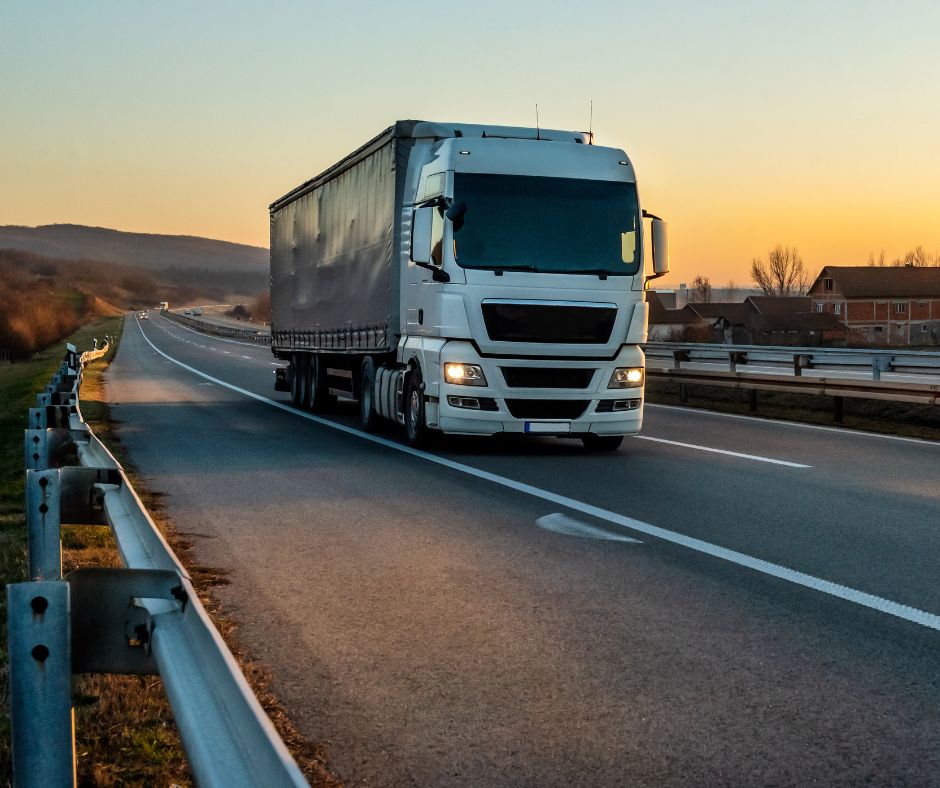
Hollister sits at the northern edge of San Benito County’s agricultural zone, adjacent to the Salinas Valley one of the most productive agricultural regions in the world. Taylor Farms, the largest packaged salad producer in North America, operates a major processing facility in San Benito County. Agricultural transportation from Taylor Farms, George Chiala Farms, B&R Farms, and dozens of smaller operations generates a constant stream of refrigerated trailers, flatbeds, and produce haulers on Hollister’s highway network.
Agricultural trucks in this corridor are subject to all FMCSA hours-of-service rules when operating in interstate commerce though California’s narrow exemptions for intrastate agricultural transportation sometimes apply. When a crash occurs involving an agricultural freight hauler, investigating whether the driver was operating under proper FMCSA authority and whether the carrier was in compliance with federal safety regulations is the first step in building the case.
Pacheco Pass Freight — Highway 152
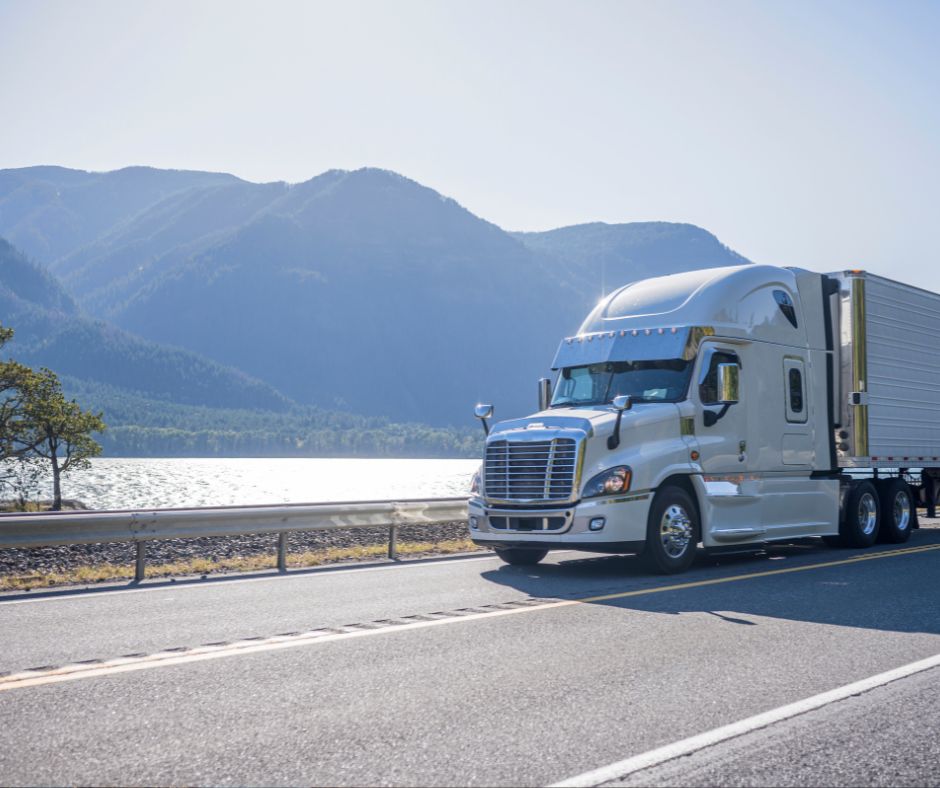
Highway 152 over Pacheco Pass is one of the most direct routes for commercial freight moving between the Bay Area/Silicon Valley and the Central Valley (I-5 corridor near Los Banos). The steep grades of Pacheco Pass create specific hazards for heavily loaded trucks — particularly for brake failures on extended downhill grades. The 2024 and multiple prior fatal crashes on Highway 152 near Hollister reflect this risk pattern. Truck drivers who fail to downshift, overuse service brakes, or exceed safe speeds on mountain grades can lose control with catastrophic results.
Highway 25 — The Two-Lane Commuter and Freight Route
Highway 25 between Hollister and Highway 101 in Gilroy is a designated truck route that handles both agricultural freight and general commercial traffic. The two-lane design of much of this corridor with limited passing opportunities and no physical barrier separating opposing lanes creates the conditions for the head-on truck crashes that appear repeatedly in San Benito County CHP records. The August 2024 fatal head-on collision between two commercial trucks on SR 25 south of Bolsa Road is the most recent documented example of this pattern.
Why Truck Accident Cases Are Legally Different From Car Accident Cases
Federal Law Governs Every Commercial Truck
Commercial trucks operating on Highway 25, 152, and 156 are regulated by the Federal Motor Carrier Safety Administration (FMCSA) under Title 49 of the Code of Federal Regulations. These federal rules don’t apply to passenger car accidents. The most relevant for Hollister truck accident victims:
- Hours of Service (49 CFR Part 395): No more than 11 hours of driving after 10 consecutive hours off duty. No more than 14 total hours on duty in a shift. Mandatory 30-minute break after 8 cumulative hours. When a driver violates these limits, ELD records document it clearly.
- Electronic Logging Device (ELD) Mandate (49 CFR Part 395, Subpart B): Most commercial truck drivers are required to use ELDs since 2017. ELDs record driving time, engine hours, vehicle movement, miles, and GPS location. FMCSA requires carriers to retain ELD data for at least 6 months.
- Vehicle Inspection and Maintenance (49 CFR Part 396): Carriers must document regular inspections and all repairs. Brake failures and tire defects that appear in crash investigations are frequently discoverable in pre-crash maintenance records.
- FMCSA Minimum Insurance (49 CFR Part 387): General freight carriers must carry a minimum of $750,000 in liability coverage. Hazardous materials carriers must carry $5,000,000. This is dramatically higher than the $30,000/$60,000 minimum for passenger vehicles.
Multiple Parties Can Be Liable
Unlike a car accident where liability typically falls on one driver, truck accidents often involve several distinct parties: the truck driver (for negligent driving); the motor carrier (for negligent hiring, training, and scheduling); the cargo loader or shipper (if improperly loaded cargo contributed); the freight broker (if they hired an unsafe carrier); and the vehicle manufacturer (if a defective component caused or contributed to the crash). Identifying all potentially liable parties matters because each may carry separate insurance coverage, and the combination may be what makes full compensation possible.
Evidence Disappears in 48 Hours — Call Us Immediately
When a serious truck accident occurs on Highway 25, 152, or 156, the trucking company’s rapid response team may reach the scene within hours. Meanwhile, critical evidence begins disappearing: the truck’s black box (electronic control module) may overwrite data within 30 days. Dashcam footage is typically retained 14–30 days. ELD records must be requested before the 6-month FMCSA retention period expires. Silva Injury Law sends formal legal preservation letters to trucking companies on the day we are retained requesting all digital records, physical evidence, and maintenance logs.
Types of Truck Accidents a Truck Accident Lawyer Hollister Handles
Truck accidents occur in a few different ways. Some of the most common types of truck accidents include:
- Rear-end collisions;
- Broadside collisions, or T-Bone accidents;
- Merging accidents;
- Head-on collisions; and
- Underride accidents.
Of course, these are just a few types of truck accidents; there are many others. Regardless of the type of accident that caused your injuries, the dedicated truck accident lawyer in Hollister at Silva Injury Law, Inc. can help.
What to Do After a Truck Accident in Hollister or on San Benito County Highways
Call 911. For truck accidents on state routes (Highway 25, 152, 156), CHP Hollister-Gilroy responds. Give officers the truck’s DOT number visible on the cab door which allows immediate lookup of the carrier’s FMCSA safety record, accident history, and inspection compliance.
Photograph everything you can safely reach: the truck’s DOT number and license plate, the motor carrier name on the cab, the cargo manifest or bill of lading if visible, damage to all vehicles, skid marks, road conditions, and the truck driver’s commercial driver’s license (CDL) information.
Seek medical care immediately at Hazel Hawkins Memorial Hospital Emergency Department . For trauma requiring advanced care, St. Louise Regional Hospital in Gilroy are the nearest options.
Call Silva Injury Law before speaking with any insurance company including the trucking company’s insurance adjuster, who may contact you within hours of the crash. Do not give a recorded statement. From the moment you retain us, we send the evidence preservation letter and begin the investigation.
Statute of Limitations For Hollister Truck Accident Claims
California Code of Civil Procedure gives you two years from the date of the truck accident to file a personal injury lawsuit. If a government vehicle or government employee was involved, California Government Code § 911.2 requires a government claim within six months. However, the evidence window in truck accident cases is measured in days and weeks, not years ELD data may overwrite in 6 months, dashcam in 30 days, black box data potentially in 30 days. Contact Silva Injury Law immediately after a truck accident. Evidence preservation starts on day one.
Common Causes Of Truck Accidents
In some ways, the causes of truck accidents are no different than other motor vehicle collisions. However, certain aspects of the trucking industry increase the likelihood of truck drivers causing an accident. Below are some of the most common causes of truck accidents.
Distracted Driving
Truck drivers spend long hours on the road, and many truckers experience boredom. This can lead them to engage in dangerous behavior that removes their attention from the road. Typical forms of distracted driving include,
- Talking on the phone;
- Texting while driving;
- Watching television;
- Playing games or scrolling through social media;
- Fiddling with the radio; and
- Daydreaming.
When a driver’s attention is not focused on the road, they are much more likely to cause an accident.
Impaired Driving
Either recreationally or to fend off the signs of fatigue, some truck drivers consume illegal or over-the-counter drugs. While these substances may have the temporary effect of increasing a trucker’s alertness, they also compromise a trucker’s ability to safely operate their rig. Moreover, once the impact of these substances wears off, truckers often find they are even more fatigued.
Drowsy Driving
Given that most truckers spend the majority of their time on the road, fatigue is common. Fatigued driving is incredibly dangerous. According to the Centers for Disease Control and Prevention, fatigue can have the same negative effect on a driver as alcohol intoxication. However, trucking companies incentivize truck drivers to cover as many miles as possible per day despite these dangers. The result is that fatigued driving is a leading cause of Hollister trucking accidents.

 831-265-5515










 CALL
CALL  EMAIL
EMAIL  Ask AI
  FAQ
FAQ