How Do Car Accident Claims Work in California?
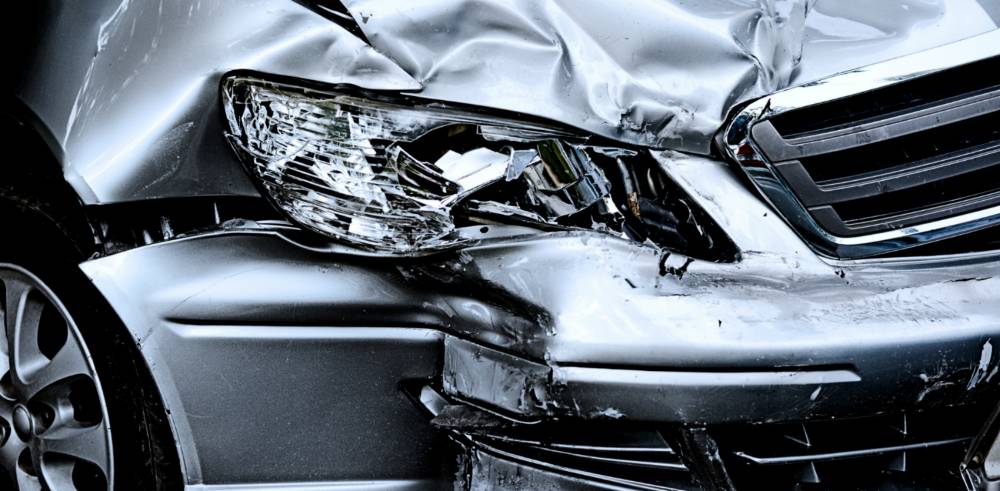
A successful claim requires establishing two key elements: liability and damages. Liability depends on evidence. That may include traffic collision reports, witness statements, dash camera footage, roadway design, or vehicle damage patterns. In more complex cases, accident reconstruction may become necessary.
Damages involve more than immediate hospital bills. They include ongoing medical care, lost earnings, diminished earning capacity, and the physical impact of injury. The true value of a case is often not clear until treatment stabilizes. Rushing a settlement before understanding long-term medical needs can permanently limit recovery.
California follows a pure comparative fault system. That means responsibility for a crash can be divided between drivers. If you are found 20% at fault, your recovery is reduced by 20%. Insurance companies know this rule well. They look for opportunities to assign partial blame wherever possible.
Unique Risks on Salinas Roadways
Salinas presents traffic patterns that differ from those of many surrounding areas. Agricultural transport vehicles share roads with commuter traffic. Highway 101 carries heavy flow at high speeds. Local intersections see frequent congestion during peak hours.
Crashes often involve:
- Distracted drivers checking their phones at intersections,
- Unsafe lane changes in highway merging zones,
- Rear-end collisions in slow-moving traffic, and
- Commercial and agricultural vehicles with extended stopping distances.
Each scenario creates different liability questions. A collision involving a commercial vehicle may require examining employer training standards and maintenance records. A multi-vehicle highway crash may involve layered insurance policies. Understanding the local traffic environment matters when investigating fault.
The Full Impact of Car Accident Injuries
Some injuries are obvious. Others are not.
A fracture will show on imaging. A traumatic brain injury may not. Concussions, spinal disc damage, and soft tissue trauma can take days to present symptoms fully. Yet these injuries often affect concentration, mobility, sleep, and long-term earning ability.
Insurance carriers frequently attempt to minimize injuries that lack immediate diagnostic confirmation. They may argue that treatment was excessive or unrelated to the crash.
A well-documented medical record becomes essential. Consistent treatment, specialist evaluations, and clear physician opinions can shape an insurer’s evaluation of a claim.
The goal is not simply to submit bills. It is to demonstrate how the crash changed your physical condition and daily life.
What Determines the Value of a Car Accident Case?
There is no fixed formula for case value. Outcomes depend on a combination of factors.
Severity and permanence of injury often drive the analysis. A case involving surgery or long-term impairment carries different exposure than one involving temporary soreness.
Insurance coverage limits also matter. If the at-fault driver carries minimal coverage, it is important to explore additional sources of recovery. That may include underinsured motorist policies or employer liability in commercial crashes.
Fault disputes influence settlement posture. Clear liability cases often resolve differently from those involving contested responsibility. Timing matters as well. Settling before medical treatment concludes can undervalue a claim. Waiting too long without strategic pressure can stall progress.
Evaluating these elements requires more than surface review. It requires assessing risk from both sides.
When Insurance Companies Start Calling
After a crash in Salinas, it does not take long for an adjuster to reach out. The tone is often polite. The questions seem routine. But those early conversations are not casual.
Insurance companies look for ways to:
- Lock in a recorded statement before you understand your injuries,
- Suggest that you were partially responsible,
- Minimize the seriousness of your medical treatment, and
- Push for a quick settlement before the long-term impact is clear.
The problem is not that insurance companies investigate claims. The problem is that their evaluation process exists to protect their bottom line. Once a statement is recorded or a settlement agreement is signed, it is difficult to reverse course. Early guidance from a Salinas car accident attorney can prevent irreversible missteps.

 831-250-9382












 CALL
CALL  EMAIL
EMAIL  Ask AI
  FAQ
FAQ