
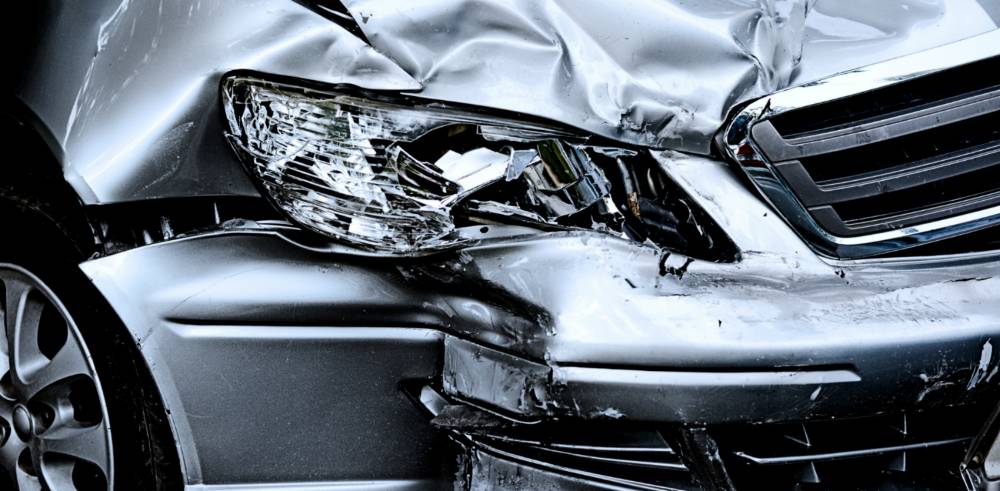
You’re easing through a parking lot or passing a driveway when suddenly a car backs into your path. There’s no time to react, and now you’re left dealing with the aftermath, wondering who is at fault in a car accident when backing up and what that means for you.
These situations are rarely as simple as they seem. While the driver reversing is often blamed for the collision, insurance companies do not just accept that at face value. They look for ways to shift responsibility, question your actions, or reduce what they pay.
At Silva Injury Law, our California car accident lawyers step into that uncertainty with you. Our team approaches every case with the mindset that it must be built from the ground up: backed by evidence, prepared for negotiation, and ready for trial if needed.
Attorney Michael Joe Silva brings courtroom experience from his time as a prosecutor, and that perspective shapes how we evaluate fault and present your case from day one.
You should not be left trying to figure out backing up car accident liability on your own or worrying about how a single statement to an insurance adjuster could be used against you.
We step in to take control of the legal concerns so that you can focus on your recovery while knowing your case is being handled the right way from the start.
Why Is the Driver Backing up Often Considered at Fault?
Drivers in California have the same basic responsibility whether they are moving forward or in reverse: to operate their vehicle with reasonable care under the circumstances. However, backing up can require a greater degree of caution due to a driver’s limited visibility and increased risk.
When a driver reverses, they must make sure the movement can be made safely.
That means:
- Checking mirrors and surroundings;
- Looking for approaching vehicles, pedestrians, or obstacles; and
- Avoiding movement if the path is not clear.
Because backing up often involves entering an active lane of travel or crossing another vehicle’s path, the driver reversing is frequently the one who creates the risk. If they move without properly checking or misjudging the space available, that can be considered a failure to use reasonable care.
That said, fault is not automatic. The key question is whether the driver acted reasonably in that moment.
When Can I Be at Fault in a Backing up Car Accident?
Backing up car accident fault can apply to any driver whose actions contributed to the crash. Fault is not determined simply by which vehicle was in reverse; it depends on what each driver did in the moments leading up to the collision and whether those actions were reasonable under the circumstances.
Common ways you may be at fault include:
- Driving too fast for the conditions in a parking lot or residential area,
- Looking at your phone or being otherwise distracted,
- Failing to keep a proper lookout,
- Ignoring a vehicle that was visibly moving into your path, and
- Reversing at the same time as the other driver.
These cases are often more complicated than they first appear. One driver may have backed up without making sure the path was clear, while the other may have been moving too quickly, not paying attention, or failing to react to an obvious hazard. In that situation, both drivers may share responsibility.
California follows a pure comparative negligence rule. That means you may still be able to recover compensation even if you were partly at fault. Your recovery is reduced by your percentage of fault instead of being barred altogether.
So, if you were found 20% at fault, you could still recover 80% of your damages. In many backing accident cases, the real issue is not whether only one driver caused the crash. It is how fault should be divided between everyone involved.
How Is Backing up Car Accident Fault Determined in California?
Determining who is at fault in a car accident when backing up is not based on assumptions; it is based on whether each driver acted with reasonable care. In California, that analysis follows the legal concept of negligence, which considers four specific elements to determine liability.
1. Duty of Care
Every driver has a duty to operate their vehicle safely under the circumstances. This applies whether you are driving forward, stopped, or backing up. Drivers are expected to stay aware of their surroundings and avoid creating unnecessary risks for others.
2. Breach of Duty
A breach occurs when a driver fails to act as a reasonably careful person would in the same situation. In a backing accident, this might involve reversing without checking surroundings, misjudging distance, or moving when it was not safe to do so. It can also apply to the other driver if they were speeding, distracted, or not paying attention.
3. Causation
It is not enough to show that a driver made a mistake. You must connect that mistake to the accident itself. This means showing that the crash happened because of the driver’s actions and that it would not have occurred if they had acted differently.
4. Damages
Finally, there must be actual harm resulting from the accident. Without damages, there is no basis for a claim, even if a driver acted carelessly.
Recoverable damages may include:
- Medical expenses,
- Lost income,
- Reduced earning capacity,
- Vehicle repair or replacement,
- Pain and suffering,
- Emotional distress, and
- Loss of enjoyment of life.
These damages show how the accident has affected you and are an important part of determining the value of a claim.
What Evidence Helps Prove Fault in a Backing up Car Accident?
In a backing accident, fault often comes down to small but important details, such as who moved first, how fast each vehicle was going, and whether either driver had time to react. Because of this, evidence plays a critical role in showing what actually happened.
Some of the most useful types of evidence include:
- Police reports;
- Photos of vehicle damage, positioning, and the surrounding area;
- Surveillance or security camera footage from nearby homes or businesses;
- Eyewitness statements describing how the collision occurred;
- Accident reconstruction analysis in more complex cases;
- Vehicle data or impact patterns that show movement and speed; and
- Medical records connecting the crash to your injuries.
Each piece on its own may not tell the full story. But when combined, your California car accident lawyer will utilize this evidence to help clarify how the accident unfolded and support a clear determination of fault.
Speak with a California Car Accident Lawyer About Your Case
A backing accident may seem straightforward at first, but the details can quickly become complicated, especially when fault is disputed or shared.
At Silva Injury Law, we take a closer look at what really happened. Our team is made up of trial attorneys who prepare every case with the expectation that it may need to be presented to a jury. That approach shapes how we gather evidence, analyze liability, and build each claim from the start.
If you are trying to understand your options after a backing accident, reaching out is a simple way to get clarity. A conversation with a seasoned car accident lawyer can help you understand how fault may be evaluated and what steps you can take next.













 CALL
CALL  EMAIL
EMAIL  Ask AI
  FAQ
FAQ