Premises Liability in a High-Density Urban Environment
Premises liability law in California requires property owners and occupiers to exercise reasonable care in maintaining their property. In San Francisco, that duty carries heightened practical importance because of:
- Heavy foot traffic,
- Multi-tenant buildings,
- Vertical construction,
- Shared access spaces,
- Historic structures, and
- Public transit integration.
When a dangerous condition exists in a dense urban setting, the potential for harm increases. The law evaluates whether the owner acted reasonably in inspecting, repairing, and warning against hazards.
The question is not whether an accident happened. The question is whether it should have been prevented.
Who Can Be Held Responsible?
Urban properties often involve layered control structures. Liability may extend to:
- Commercial property owners,
- Residential landlords,
- Property management companies,
- Retail tenants,
- Homeowners associations,
- Maintenance contractors, and
- Event organizers.
In San Francisco, many buildings operate under complex leasing agreements. A retail tenant may control the interior space, while a landlord controls structural elements. A management company may oversee maintenance.
Determining responsibility requires reviewing lease agreements, maintenance contracts, inspection logs, and control rights.
Our San Francisco premises liability lawyers analyze who actually controlled the area where the injury occurred and help you determine the responsible parties.
Where Do Common Premises Liability Accidents Occur in San Francisco?
While every case differs, urban injury patterns tend to include the following locations.
Unsafe Stairwells and Elevators
Multi-story buildings depend on safe vertical access. Broken handrails, poor lighting, elevator malfunctions, and uneven steps frequently lead to severe injuries.
Sidewalk and Exterior Hazards
Cracked pavement, improper drainage, or unsafe entryways often create fall risks. Responsibility may shift depending on whether the sidewalk is under the city’s jurisdiction or a private owner’s responsibility.
Retail and Grocery Store Accidents
Falling merchandise, spills, and crowded aisle conditions generate regular injury claims in commercial districts.
Apartment Complex Injuries
Landlords must maintain common areas in reasonably safe condition. Stairwells, shared corridors, laundry rooms, and parking garages often become focal points of litigation.
Negligent Security
In high-density areas, property owners must take reasonable precautions against foreseeable criminal activity. Failure to provide adequate lighting, controlled access, or security measures may expose the owner to liability. Each case turns on control, foreseeability, and notice.
What Does Notice Mean in San Francisco Premises Liability Claims?
Notice remains central to most premises liability cases. To hold a property owner responsible, you must typically establish that:
- The owner knew about the dangerous condition, or
- The condition existed long enough that the owner should have discovered it through reasonable inspection.
In large commercial buildings, inspection policies matter. How often were walk-throughs conducted? Were maintenance requests ignored? Did prior complaints exist?
Surveillance footage, electronic work-order systems, and digital maintenance logs often become key evidence in San Francisco litigation.
Historic Buildings and Structural Liability
San Francisco contains many historic structures. While age alone does not establish negligence, owners cannot rely on a building’s historic status to excuse unsafe conditions.
Structural instability, outdated railings, unsafe balconies, and failing exterior elements can all create hazards.
Property owners must comply with safety standards regardless of a building’s age. Deferred maintenance often becomes the critical issue in these cases.
Shared Spaces and Control Issues
Urban properties often contain shared control zones, including:
- Lobby areas,
- Rooftop decks,
- Parking garages,
- Shared hallways, and
- Retail corridors.
Injuries in these spaces frequently lead to disputes over which entity is responsible. The landlord may argue that the tenant assumed control. The tenant may argue that the landlord retained structural responsibility.
Resolving these disputes requires contractual analysis and strategic discovery. An experienced San Francisco premises liability attorney prepares early for these allocation battles.
Comparative Fault in Urban Settings
Defendants often argue that city residents should expect certain hazards, such as wet sidewalks during rain, crowded stairways, or uneven pavement on older streets.
California’s comparative fault system allows recovery even when the injured person shares some responsibility. However, insurers use comparative fault aggressively to reduce payouts.
Preparation matters. A well-developed case anticipates these defenses and counters them with evidence of unreasonable property management.
Damages in Serious Premises Liability Cases
Urban premises liability injuries frequently involve significant trauma, including:
- Hip fractures,
- Spinal injuries,
- Lesiones cerebrales traumáticas,
- Ligament tears, and
- Long-term mobility limitations.
San Francisco’s high cost of living also affects damage calculations. Lost income, reduced earning capacity, and future medical care require careful evaluation.
Insurance companies may undervalue these claims by minimizing long-term impact. Trial-ready preparation changes that dynamic.
Government Property Considerations
Some injuries occur on property owned or controlled by public entities. Claims involving city-controlled property involve additional procedural requirements and significantly shorter deadlines. Failure to act promptly can jeopardize recovery.
Legal analysis must begin immediately to preserve rights in government-related cases. Please get in touch with a San Francisco premises liability lawyer right away.
Building Code Violations and Safety Regulations
Property owners in San Francisco must comply with local building, fire, and safety codes and ordinances. Violations of these standards can strengthen a premises liability claim. For example:
- Failure to maintain handrails to code height,
- Non-compliant stair dimensions,
- Inadequate emergency lighting,
- Unsafe balcony construction, and
- Improper load-bearing modifications.
While a code violation does not automatically establish liability, it can serve as strong evidence of negligence. Courts may consider whether the owner complied with applicable safety regulations when evaluating reasonable care.
In dense urban environments like San Francisco, regulatory compliance is critical to injury prevention.
¿Por qué trabajar con Silva Injury Law?
Premises liability cases often look simple on the surface. In reality, they demand disciplined investigation and strategic litigation planning.
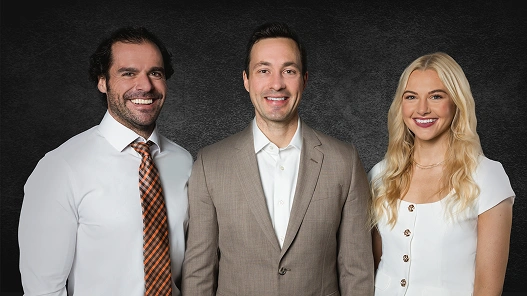
Attorney Michael Joe Silva brings courtroom experience from his years as a deputy district attorney. He knows how juries evaluate evidence and how defense counsel analyze risk. That experience shapes case strategy from the outset.
Our firm does not rely solely on leverage in negotiations. We prepare cases to withstand courtroom scrutiny. When defense counsel recognizes our case is supported by strong evidence and industry expert analysis, the conversation changes.












 LLAMAR A
  EMAIL
EMAIL  Pregunte a AI
  PREGUNTAS