
If you live in an HOA community, you expect well-kept shared areas. Sidewalks, walkways, and roads should be safe. If they aren’t, a simple walk can lead to an injury and a bigger question: who is responsible?
After something like this, it is reasonable to ask: can you sue an HOA for what happened?
At Silva Injury Law, we help Californians get clear answers. Our hands-on team examines how these conditions develop, who should have maintained the area, and what steps could have prevented injury. We’re here to guide you through the legal side of things, so you are not left to manage paperwork, insurance, or uncertainty alone.
If you were hurt in your HOA community, contact Silva Injury Law for a free consultation with a California trip and fall lawyer to get clear information about your situation.
Read on to learn more about whether you can sue your HOA for negligence and the intersection of premises liability and HOA laws in California.
What Is the Job of an HOA?
A homeowners’ association (HOA) is responsible for managing and maintaining certain parts of a residential community. While individual homeowners handle their own property, the HOA typically oversees common areas used by everyone.
These responsibilities often include:
- Maintaining sidewalks, walkways, and roads;
- Repairing shared structures like stairs or railings;
- Ensuring adequate lighting in common areas;
- Managing landscaping and removing hazards; and
- Addressing safety issues reported by residents.
The HOA usually operates under governing documents, such as CC&Rs (Covenants, Conditions, and Restrictions). CC&Rs are rules that outline what the HOA must take care of in the community.
When an HOA takes on these duties, it also assumes the responsibility of keeping those areas reasonably safe. If something is ignored or poorly maintained, it can create a hazard that leads to a trip and fall.
Can I Sue My HOA for Negligence?
Yes, you may be able to sue your HOA if its failure to maintain a common area contributed to your fall.
HOAs are responsible for keeping shared spaces in reasonably safe conditions. When those areas are not properly maintained, hazards can develop, putting residents and visitors at risk.
Some hazards that could lead to injury and a potential claim include:
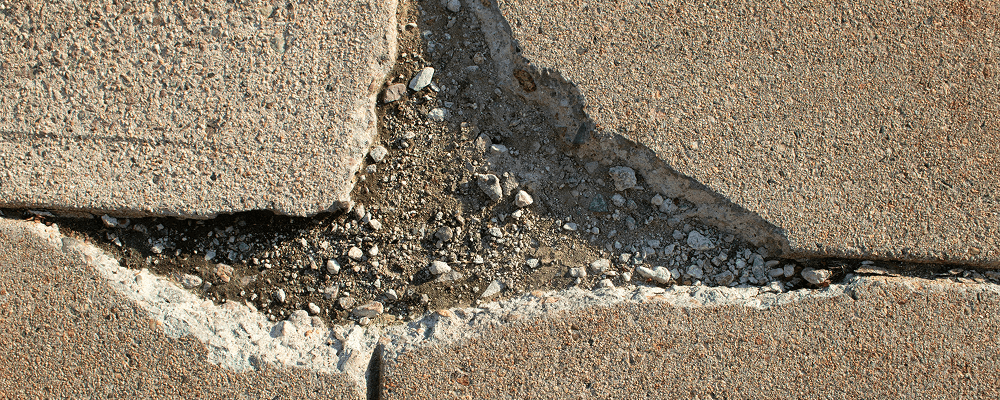
- A sidewalk or walkway that has been cracked or uneven for an extended period;
- Broken or missing handrails on stairs;
- Poor lighting in areas where people regularly walk at night;
- Potholes or damaged pavement in parking areas or roads; and
- Debris, spills, or landscaping hazards that were left unaddressed.
The key question is whether the HOA had responsibility for the area and failed to take reasonable steps to address a condition that could cause injury.
How Does California Premises Liability Law Apply to HOA?
Trip and fall claims against an HOA fall under premises liability law, which focuses on whether the property was kept in a reasonably safe condition.
Because HOAs control and maintain common areas, they can be responsible when a dangerous condition in those spaces leads to an injury.
Let’s break down the four elements of premises liability law in California and look at how they apply to injuries on an HOA property.
Duty of Care
In California, property owners, including HOAs, generally owe a duty of reasonable care to maintain their property in a safe condition for others.
Courts do not rely on rigid categories like invitee or licensee when assessing duty. If you were a lawful visitor on the property, even if you didn’t live there, the HOA typically has a duty to keep conditions reasonably safe for you.
Dangerous Condition
You must show that a hazardous condition existed on the property.
This could include uneven pavement, broken stairs, poor lighting, or other unsafe conditions. The issue must present a real risk.
Notice
You must show that the HOA knew about the condition or should have known about it.
This happens if the issue was reported or existed long enough to be found during routine maintenance.
Failure to Act
It is not enough that a hazard exists. You must show the HOA did not take reasonable steps to fix it or warn about it.
This could involve ignoring complaints, delaying repairs, or failing to consistently maintain common areas.
Causation
You must show that the dangerous condition was a substantial factor in causing your fall.
A clear link must exist between the dangerous condition and your fall; it’s not enough that your fall happened in the proximity of the hazard. The hazardous condition must have substantially contributed to the fall.
In many cases, this involves examining how the fall occurred, the condition of the area, and whether the hazard posed a risk that led to the injury. Medical records, incident reports, and other evidence are often used to establish this link.
Injury and Damages
You must also show that you were injured and experienced losses as a result of the fall.
Depending on the situation, this may include:
- Medical expenses,
- Ongoing treatment or rehabilitation costs,
- Lost income or reduced ability to work,
- Pain and discomfort, and
- Changes to your daily routine or mobility.
These damages show how the incident disrupted your life and why it matters.
How Do HOA Laws in California Affect Your Claim?
HOAs follow documents like CC&Rs, which are binding contracts with homeowners—not just guidelines.
In some situations, CC&Rs may also be relevant in showing the HOA’s maintenance obligations. If an HOA fails to follow its own CC&Rs, particularly those related to maintenance, it may create a separate legal issue beyond a standard injury claim.
However, most injury claims are based on negligence, and a violation of CC&Rs alone does not automatically establish liability under California premises liability law.
Speak with a California Trip and Fall Lawyer About Your HOA Injury
A fall in your own community can feel frustrating. You expect shared spaces to be safe, and when they are not, you are left dealing with the consequences.
If you are still wondering whether you can sue an HOA, the next step is to get a clear understanding of your situation. The details matter: where the fall happened, how long the hazard existed, and who was responsible for maintaining that area.
At Silva Injury Law, we take a hands-on approach to these cases. We look at the condition that caused the fall, review maintenance responsibilities, and identify everyone who may be involved. Our team handles the investigation, communication with insurers, and the legal process so you are not left to navigate them on your own.
If you were injured in your HOA community, the sooner you understand your rights, the better positioned you are to take action. Contact Silva Injury Law today for a free consultation and get clear answers about where you stand.












 CALL
CALL  EMAIL
EMAIL  Ask AI
  FAQ
FAQ